
When Foundation Block Cracks Become a Structural Problem
How to read crack patterns in block foundations, what signals real movement, and when to act before repairs get expensive.
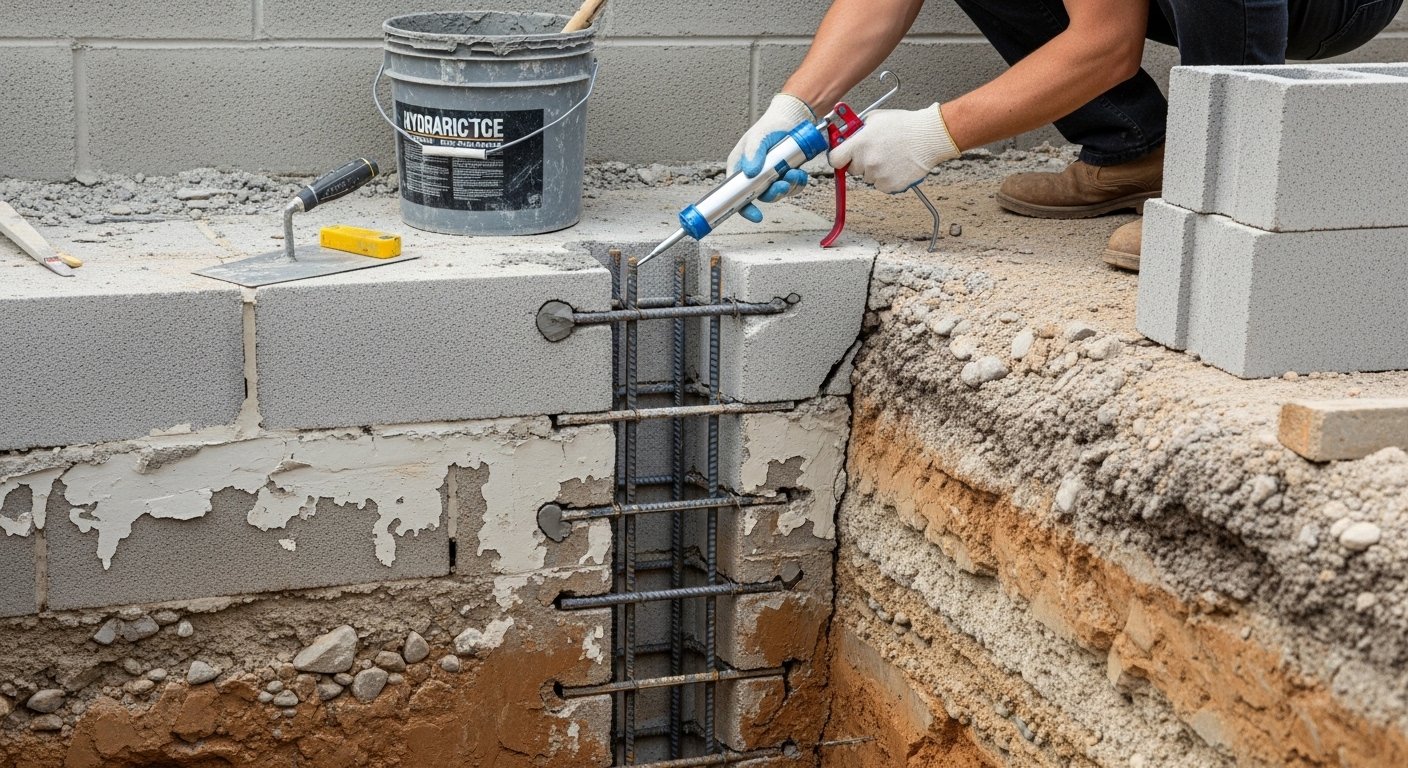
Most masonry decisions are about durability vs disruption. Repairs make sense when the structure is sound and damage is localized.
Rebuilds are the safer long-term choice when there’s movement, widespread deterioration, or repeated moisture pathways.
- What’s causing it—water, movement, age, poor detailing?
- Is damage isolated or repeating across multiple areas?
- Will the repair reach sound masonry or stop on failing material?
- What’s the long-term cost if it fails again?
How to choose with confidence
We look for patterns (crack direction, mortar loss depth, movement, and water entry points) and outline the lowest-risk path.
If a rebuild is recommended, it’s typically because a repair would be a short-term spend that fails again.
- Repair when: damage is localized and the structure is stable
- Rebuild when: sections are loose, leaning, or extensively deteriorated
- Upgrade details when: water management is the main issue (flashing, caps, drainage)
FAQs
Are horizontal cracks always bad?
They can indicate lateral pressure and deserve inspection. Not every crack is structural, but horizontal patterns are a higher priority.
Can water cause block cracking?
Yes. Saturated soils increase pressure on foundation walls and freeze-thaw can worsen cracking.
Should I seal cracks myself?
Sealing can reduce moisture but won’t fix movement. It’s better to understand the cause before investing in surface fixes.
Want guidance for your property?
Call or text 860-750-9095 and we’ll apply this guide to your situation in Torrington or nearby towns.